
Just Got Engaged? Here’s What to Do First
That moment when the question is asked, the ring goes on, and you’re celebrating one of life’s biggest milestones — it’s one you’ll replay for years to come. But once the happy tears dry up and friends and family begin asking about your wedding plans, a new question creeps in: now what? If you just got engaged, you’re probably feeling a mix of pure joy and “where do I even begin?” panic, and that’s completely normal. Wedding planning after engagement can feel overwhelming without a clear plan, especially in the first few days when everyone wants details you don’t have yet.
The good news is that you don’t need to have it all figured out today. Newly engaged couples across the United States face the same whirlwind of decisions, and there’s a simple step-by-step wedding planning process that makes the early days feel exciting instead of overwhelming. Here’s exactly what to do after getting engaged, broken down into three essential first steps.
1. Soak It In Before You Start Planning
It’s tempting to open a wedding planning app the second the ring is on your finger, but the first thing every engaged couple should do is pause and celebrate your engagement. Engagement is a milestone, not just the beginning of your wedding planning process for a year of spreadsheets and vendor calls.
Tell the people who matter most, in the order that matters to you. Before you post the engagement announcement, decide together who should hear the news directly — parents, siblings, close friends — and reach out personally, whether that’s a phone call, a visit, or a heartfelt text. Announcing your engagement this way avoids hurt feelings and lets the people closest to you feel like part of the moment instead of bystanders scrolling social media.
Get the ring insured and properly fitted. This is an easy step to forget in the excitement, but it matters. Have the ring appraised and insured through your renters or homeowners policy (or a standalone jewelry policy), and book a jeweler appointment if it needs resizing.
Take a beat before announcing publicly. There’s no rule that says you have to post within 24 hours. Many newly engaged couples wait a few days or even weeks to let the news settle privately before sharing it with the world. This is your engagement — let it unfold on your timeline, not anyone else’s.
2. Have the Big-Picture Conversations Before the Small Decisions
Once the initial excitement settles, the most important thing to do after getting engaged isn’t picking a venue or a dress — it’s talking through the major wedding planning decisions as a couple. These conversations set the foundation for every decision that follows, and having them early prevents stress and miscommunication down the road.
Talk about your wedding vision. Are you imagining a large, traditional celebration or a small, intimate gathering? A destination wedding or a backyard ceremony close to home? Discuss your priorities — guest experience, photography, food, atmosphere — on the same page about your wedding priorities before you start researching wedding vendors or browsing Pinterest boards.
Set a realistic budget together, and be honest about it. Money conversations aren’t always comfortable, but they’re essential for engaged couples planning a wedding. Talk openly about how much you each have saved, whether family members plan to contribute, and what you’re willing to prioritize or cut. A clear budget early on will guide nearly every decision that follows, from the guest list to the menu.
Decide on a preferred wedding season. You don’t need an exact date yet, but discussing whether you’re aiming for next spring or two years from now helps you figure out how quickly you need to move. A shorter engagement means faster decisions and earlier vendor bookings; a longer one gives you more breathing room to plan thoughtfully.
Loop in family expectations carefully. Many couples find that parents or close relatives have opinions about the wedding, sometimes before they’re even asked. Decide together how much weight those opinions carry and how you’ll communicate your own preferences respectfully but clearly.
3. Take the First Practical Steps Toward Planning
With your vision and budget in place, you’re ready to start beginning your wedding planning. These are the first concrete steps after getting engaged that move you from dreaming to doing, without requiring you to lock in every detail right away.
Create a shared wedding planning checklist. Whether it’s a wedding planning app, a shared spreadsheet, or a simple notebook you both check, having one central place for ideas, contacts, and to-do lists keeps you organized from day one and prevents details from slipping through the cracks.
Draft a rough guest list. You don’t need final numbers, but a ballpark guest count significantly affects venue size, catering costs, and overall budget. Start a preliminary guest list together and refine it as plans take shape.
Research venues and key dates. Popular wedding venues in the U.S. can book up a year or more in advance, so even if your wedding is a while off, it’s smart to start researching options and available wedding dates early. This helps you nail down a realistic date range before you commit to anything else.
Consider whether you want a wedding planner. If juggling vendors, contracts, and timelines sounds overwhelming on top of work and daily life, a wedding planner or day-of coordinator can be a worthwhile investment. Even a partial-planning package can take pressure off newly engaged couples trying to balance everything at once.
Start a vendor wish list. You don’t have to book anyone yet, but jotting down photographers, florists, or caterers whose style you love helps you book your preferred wedding vendors once you’re ready to reach out.
Final Thoughts
Getting engaged is the beginning of your wedding planning journey and the first steps you take don’t need to be complicated. Celebrate the moment, have honest conversations about your vision and budget, and then ease into the organized wedding planning process at a timeline that works for your wedding plans for you. Wedding planning after engagement isn’t a race — it’s a journey you’re building together, one decision at a time.
Ready to take the next step? Start your wedding planning journey today by creating a shared vision board with your partner, and watch your dream wedding come to life one detail at a time.
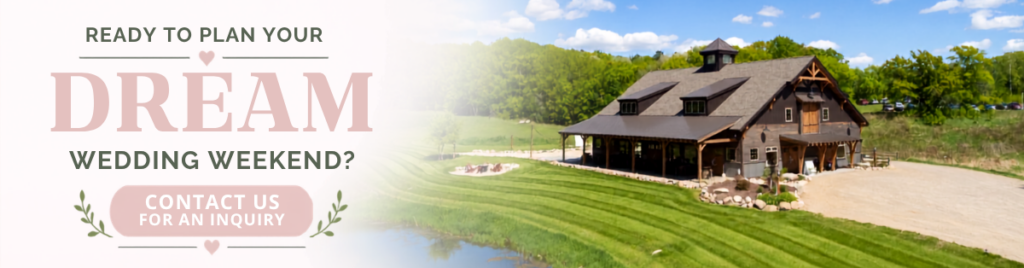


We'd love to connect with you about hosting your even at The Barn at Stoney Hills!
Contact Us!
Schedule Your Private Tour
We'd love to connect with you about hosting your even at The Barn at Stoney Hills!


