
The Ultimate Wedding Planning Checklist for Engaged Couples
Planning a wedding involves dozens of important decisions and milestones. It’s a time filled with budgets, timelines, vendors, and wedding details. But it can also be overwhelming.
That’s where a wedding planning checklist comes in. It helps you stay organized and stress-free. With a clear plan, you can enjoy every moment.
Our ultimate wedding planning checklist is designed for engaged couples. It covers everything from setting a budget to booking vendors. You’ll find tips and timelines to guide you.
Whether you’re planning a grand celebration or an intimate gathering, this guide is for you. Let’s make your wedding planning experience organized and stress-free.
Why You Need a Wedding Planning Checklist
A wedding planning checklist is your wedding planning roadmap. It ensures nothing important is missed and keeps everything on track. With so many details to juggle, having a checklist reduces stress.
It also helps in managing time and priorities efficiently. By breaking tasks into manageable parts, you avoid last-minute rushes. Furthermore, a checklist ensures an organized wedding planning process, making sure deadlines are met.
Here’s how a checklist can benefit you:
- Keeps you organized throughout the planning process.
- Helps track your budget and expenses.
- Ensures all tasks are completed on time.
With a wedding planning checklist, your journey from engagement to your dream wedding becomes a smoother ride.
Wedding Planning Timeline: Month-by-Month Guide
Planning a wedding requires careful coordination across various timelines. A detailed month-by-month guide can ease the pressure. Breaking it into smaller tasks makes the process more manageable.
Each month comes with specific tasks that you can focus on. This approach ensures every important detail receives attention. From booking the venue to finalizing the guest list, each step is covered.
Here’s a broad outline to get you started:
- 12-18 months: Begin envisioning your dream wedding.
- 9-12 months: Secure your main vendors and finalize big decisions.
- 6-9 months: Send save-the-dates and start shopping for attire.
- 4-6 months: Start focusing on details like decor and logistics.
This timeline also helps you adjust if unexpected changes occur. Staying on schedule is crucial for avoiding unnecessary stress.
12-18 Months Before the Wedding
The journey begins well in advance. Start by defining your wedding priorities. Decide on a theme and set your budget, as this will guide every decision you make.
Another priority is choosing the date and booking the venue. Popular venues can be booked solid, so don’t delay. Consider your wedding guest count when picking a venue to ensure it can accommodate everyone.
Major tasks at this stage include:
- Establishing a wedding budget.
- Picking a date and booking a venue.
- Formulating a guest list.
- Considering hiring a wedding planner.
Launching into these tasks early means you’ll have ample time for thoughtful decisions. This period is ideal for brainstorming your personal wedding details.
9-12 Months Before the Wedding
Now is the time to secure major wedding services. It’s crucial to start booking essential wedding vendors to avoid last-minute hiccups. Think about photographers, caterers, and entertainment options.
Simultaneously, start thinking about who you want to stand beside you. Select your bridal party and inform them well ahead. Giving them ample notice helps everyone prepare.
Focus on these key steps:
- Book key vendors like caterers, photographers, and florists.
- Select your bridal party and notify them of their roles.
- Shop for wedding attire including dresses and suits.
This phase of planning should also include the beginning of a gift registry. This helps guests choose meaningful gifts that match your preferences.
6-9 Months Before the Wedding
As the wedding date approaches, focus on details and sending invitations. At this stage, cement your guest list. This ensures enough time for RSVPs and adjustments to your plans.
Start the attire shopping process to allow for fittings and alterations. This saves your peace of mind as the day nears. Additionally, setting up a wedding website can also help share wedding information with guests.
Essential actions for this period:
- Finalize the guest list and send save-the-dates.
- Start dress shopping and order wedding attire.
- Launch your wedding website to share updates with guests.
Checking off these tasks keeps momentum on your side. Coordination becomes less chaotic as plans come together.
4-6 Months Before the Wedding
It’s time to focus on smaller details that make the day special. Plan transportation and other logistics that are essential for a successful wedding day. Arranging guest accommodations for out-of-town family and friends are essential.
Take this period to plan the ceremony specifics such as music and readings. Additionally, secure transportation and finalize arrangements with your officiant.
Key actions during this timeline:
- Plan and confirm ceremony details.
- Arrange transportation logistics for the day.
- Book accommodations for out-of-town guests.
This phase sets the tone for both the ceremony and reception. Covering these details ensures everything proceeds smoothly.
2-4 Months Before the Wedding
This timeframe is dedicated to final touches. Make sure all vendor contracts are confirmed and re-confirm the delivery schedules. This ensures you have everything you need on the big day.
Focus on the flowers, decorations, and personalized details. Catering tastings and menu finalizations are crucial as well. These wedding details contribute significantly to the event’s ambience.
Important tasks include:
- Confirm all vendor bookings and delivery schedules.
- Finalize wedding decor and floral arrangements.
- Conduct catering tastings and finalize the menu.
Completing these ensures your wedding setting matches your planned wedding vision.
1 Month Before the Wedding
One month out, it’s time for final confirmations. Check in with vendors to ensure everyone is on the same page. Having everything confirmed reduces potential stressors.
Consider planning a detailed timeline for the wedding day. Share it with the bridal party and crucial vendors, ensuring everyone knows what to expect.
Focus on these actions:
- Confirm all final details with vendors.
- Prepare a detailed timeline of the wedding day.
- Finalize your seating chart and guest list.
These tasks ensure smooth sailing as your big day approaches. Everyone involved will know their roles clearly.
1-2 Weeks Before the Wedding
With the wedding day nearly here, focus on final preparations. Test runs for hair and makeup are vital and help confirm your style choice.
Assemble an emergency kit containing essentials like safety pins, tissues, and makeup. This kit can prove invaluable on the day.
Key preparations include:
- Schedule final hair and makeup trials.
- Assemble a wedding day emergency kit.
- Re-check RSVPs and make necessary adjustments.
This period is for smoothing out the last-minute edges before the wedding day.
The Day Before & Wedding Day
It’s crucial to relax and enjoy your wedding celebration. The day before, confirm your checklist and ensure all pieces are in place. Then, embrace the joy of the experience.
On the wedding day, assign someone to manage gifts and cards. This frees you to focus on the celebrations and cherish the moment.
Final reminders:
- Review and confirm final details once more.
- Assign someone to manage gifts and keepsakes.
- Relax and enjoy every moment of your special day.
Your comprehensive planning will shine through in a successful wedding celebration.
Essential Wedding Planning Tips for Engaged Couples
Wedding planning can feel overwhelming, but there are ways to simplify the process. It’s crucial to remain organized and communicate effectively throughout. Utilize tools like spreadsheets or wedding planner apps to track progress and manage your budget efficiently.
Prioritize what matters most to you as a couple. Understanding your non-negotiables ensures your wedding reflects your relationship and wedding style. Whether it’s a specific venue or a special dish, knowing your priorities helps in making informed choices.
Key planning tips include:
- Stay organized with a planner or app.
- Prioritize elements that reflect you as a couple.
- Communicate clearly with everyone involved in planning.
Following these tips can help engaged couples navigate the complexities of wedding planning. Remember, staying flexible allows you to navigate wedding planning challenges.
Frequently Asked Questions About Wedding Planning
Many couples have questions about wedding planning, and you’re not alone. Addressing these common inquiries can ease your mind. Knowing what to expect allows you to plan with confidence.
How soon should we start planning? Starting 12-18 months in advance is ideal. This timeframe ensures you secure your preferred vendors and venue.
Do we need a wedding planner? While not mandatory, a planner can help if you’re short on time. They can handle complex logistics and provide wedding planning expertise.
Here’s a quick FAQ list:
- When to start planning?
- Necessity of a wedding planner?
- How to manage the budget?
Finding answers to these questions early can make your planning journey smoother. Keep curiosity at bay by staying informed!
Final Thoughts: Enjoy the Journey
Planning your wedding should feel rewarding, not overwhelming. Embrace the process and cherish each decision. Whether you hire a planner or DIY, remember that each step brings you closer to your wedding day. Stay flexible, savor every moment, and celebrate the journey with your partner and loved ones.
Ready to bring your dream wedding to life? Book your tour today and discover the perfect venue for your unforgettable celebration. We can’t wait to help make your vision a reality!

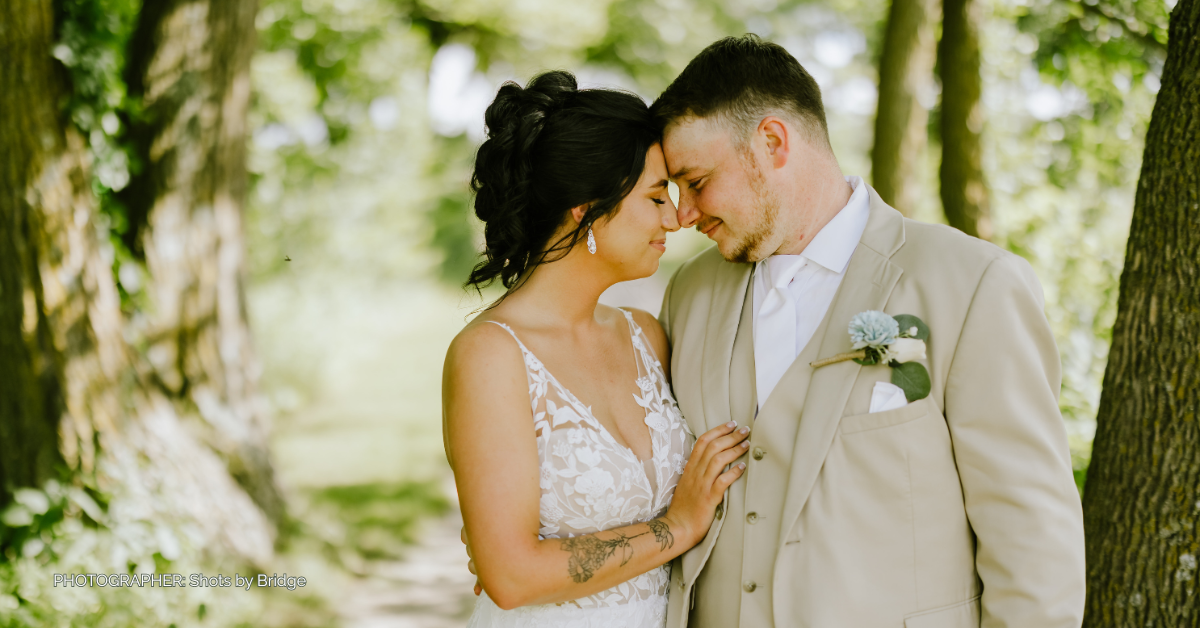

We'd love to connect with you about hosting your even at The Barn at Stoney Hills!
Contact Us!
Schedule Your Private Tour
We'd love to connect with you about hosting your even at The Barn at Stoney Hills!


